


Phẫu thuật nâng mũi là một tác động làm đẹp được nhiều người ưa chuộng. Từ mong muốn cải thiện các khuyết điểm của chiếc mũi, cùng với đó tạo hình mũi cao thanh tú một cách tự nhiên và duyên dáng.
Để làm được điều này, bác sĩ thẩm mỹ sẽ tiến hành can thiệp chuyên sâu, tái lập cấu trúc mũi và chỉnh hình để cho ra được một chiếc mũi phù hợp với gương mặt. Tuy nhiên, với sự ra đời của nâng mũi L Line và nâng mũi S Line đã có từ trước đó, vậy nâng mũi J-KO sẽ có gì khác biệt? Bạn hãy cùng khám phá qua bài viết chi tiết dưới đây.
MỤC LỤC
- 1 Những điều cần biết về nâng mũi J-KO
- 2 So sánh nâng mũi J-KO và các công nghệ khác
- 3 Ưu điểm vượt trội chỉ có ở nâng mũi J-KO
- 4 Tìm hiểu thêm về kỹ thuật gia cố trụ vách ngăn Pyramid
- 5 Nâng mũi J-KO tại Bệnh viện thẩm mỹ JK Nhật Hàn có gì đặc biệt?
- 6 Sự khác biệt của khách hàng trước và sau khi nâng mũi J-KO
Những điều cần biết về nâng mũi J-KO
Theo ThS.BS.Lê Việt Trí – Giám đốc Bệnh viện thẩm mỹ JK Nhật Hàn:
Phương pháp Nâng mũi J-KO là phương pháp làm đẹp dáng mũi mới nhất hiện nay. Theo đó, việc tạo hình mũi sẽ chú trọng đến 3 yếu tố: Cải thiện khuyết điểm; Vẻ đẹp tự nhiên và tạo sự bền vững thách thức các va chạm
Lý giải rõ hơn về công nghệ nâng mũi J-KO, chuyên gia nhận định, phẫu thuật nâng mũi sẽ ứng dụng một loại sụn chuyên biệt. Theo đó, sụn này sẽ được đặt vào 2/3 sống mũi để nâng cao mũi. Tuy nhiên, kỹ thuật đóng vai trò rất quan trọng để tạo ra dáng mũi thanh tú và tự nhiên nhất.
Video: BS Trí chia sẻ về công nghệ nâng mũi J-KO
Những ai nên nâng mũi J-KO?
- Người sở hữu dáng mũi thấp
- Người muốn cải thiện khuyết điểm mũi (mũi lệch, mũi hếch, mũi ngắn, mũi bất cân xứng)
- Người từng gặp tai nạn, bị hỏng mũi hoặc gãy mũi
- Người muốn tái phẫu thuật mũi, từng nâng mũi thất bại hoặc nâng mũi bị biến chứng mong muốn được cải thiện
Nâng mũi J-KO giữ được bao lâu?
Thời gian cho ca nâng mũi J-KO dao động từ khoảng 90 phút đến 180 phút, thời gian này còn tùy vào khuyết điểm của mũi. Nên để có thể biết chính xác, Bệnh viện thẩm mỹ JK Nhật Hàn xin mời quý khách hàng đến thẫm mỹ viên để được khám và tư vấn.
Về thời gian của mũi khi các nâng xong, Theo đó, các chuyên gia làm đẹp lý giải rằng nâng mũi J-KO có khả năng duy trì dáng mũi đẹp lên đến hơn 20 năm. Điều đặc biệt là dáng mũi này khi được thực hiện bởi các chuyên gia giàu kinh nghiệm, đúng kỹ thuật thì có thể bền vững như mũi thật. Không khác gì mũi khi bạn được sinh ra.
So sánh nâng mũi J-KO và các công nghệ khác
Nâng mũi L Line
- Chiếc mũi thường có khuyết điểm quá cao, đầu mũi quá nhọn.
- Đa phần những người từng nâng mũi dạng này sẽ dễ xảy ra biến chứng sau khoảng 2-3 năm nâng mũi.
- Vì sống sụn mũi quá cao, khiến cho phần da mũi mỏng không thể giúp trụ mũi được vững vàng.
- Mũi mọc ra từ trán, cảm giác kém thanh tú
Nâng mũi S Line
- Nhiều người hiện nay không còn hài lòng với chiếc mũi S Line
- Đặc biệt, phần sống mũi S Line thường có độ trũng
- au 1-3 năm sử dụng, nhiều người phản ánh rằng chiếc mũi giống như chưa từng được nâng cao.
Từ đó, làm mất đi vẻ đẹp thời thượng, sang trọng mà nhiều người mong muốn. Từ mong muốn cải thiện các nhược điểm trên của 2 công nghệ làm đẹp trước đó. Sự ra đời của nâng mũi J-KO đánh dấu bước phát triển vượt bậc, tạo ra vẻ đẹp tự nhiên, sang trọng mà không kém phần thanh tú cho chiếc mũi. Từ đó, đảm bảo thẩm mỹ có tính bền vững và lâu dài.
Nâng mũi J-KO
Nâng mũi J-KO sẽ tái tạo chiếc mũi, chỉnh hỉnh khuyết điểm, thậm chí có khả năng chỉnh sửa những chiếc mũi từng phẫu thuật nhiều lần thất bại. Từ đó, tạo ra sự khác biệt cho tín đồ thẩm mỹ bằng chính công nghệ gia cố trụ mũi Pyramid độc quyền chỉ có tại Bệnh viện thẩm mỹ JK Nhật Hàn.
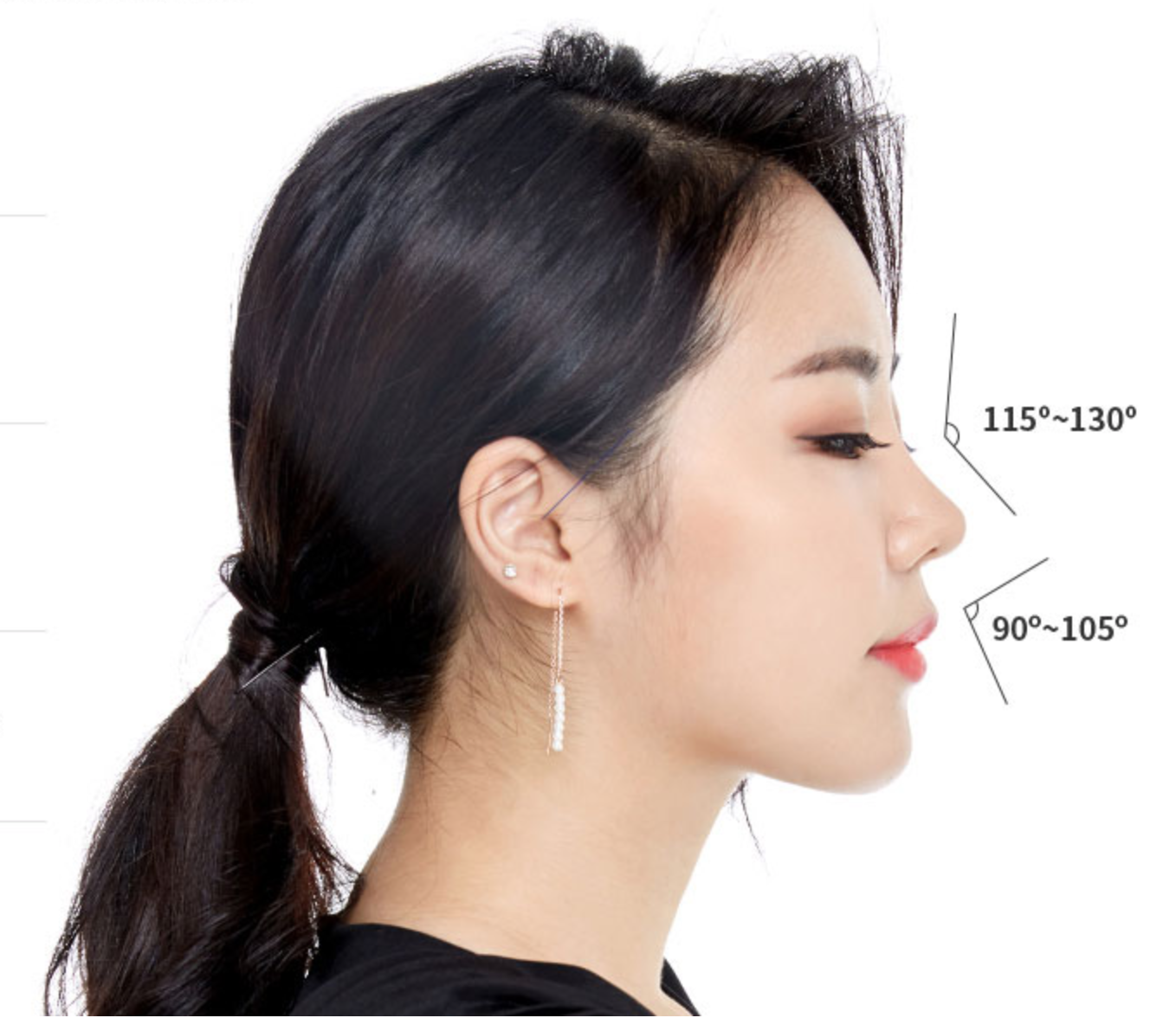
Thẩm mỹ nâng mũi J-KO tạo ra dáng mũi có hình chữ J tự nhiên. Đầu mũi vẫn có điểm cong tự nhiên, sụn nâng mũi tạo cho mũi có độ cao vừa phải, khác hẳn 2 công nghệ trước, mũi không có điểm trũng, cũng không quá cao như mọc ra từ trán.
Ưu điểm vượt trội chỉ có ở nâng mũi J-KO
Với kinh nghiệm hơn 25 năm hoạt động trong lĩnh vực nghiên cứu và phẫu thuật cho hàng ngàn khách hàng. Bác sĩ Lê Viết Trí đã nghiên cứu thành công và cho ra mắt công nghệ nâng mũi J-KO gắn với thương hiệu Bệnh viện Thẩm mỹ JK Nhật Hàn. Theo đó, thẩm mỹ mũi J-KO là một công nghệ hiện đại với sự kết hợp toàn diện cho dáng mũi.
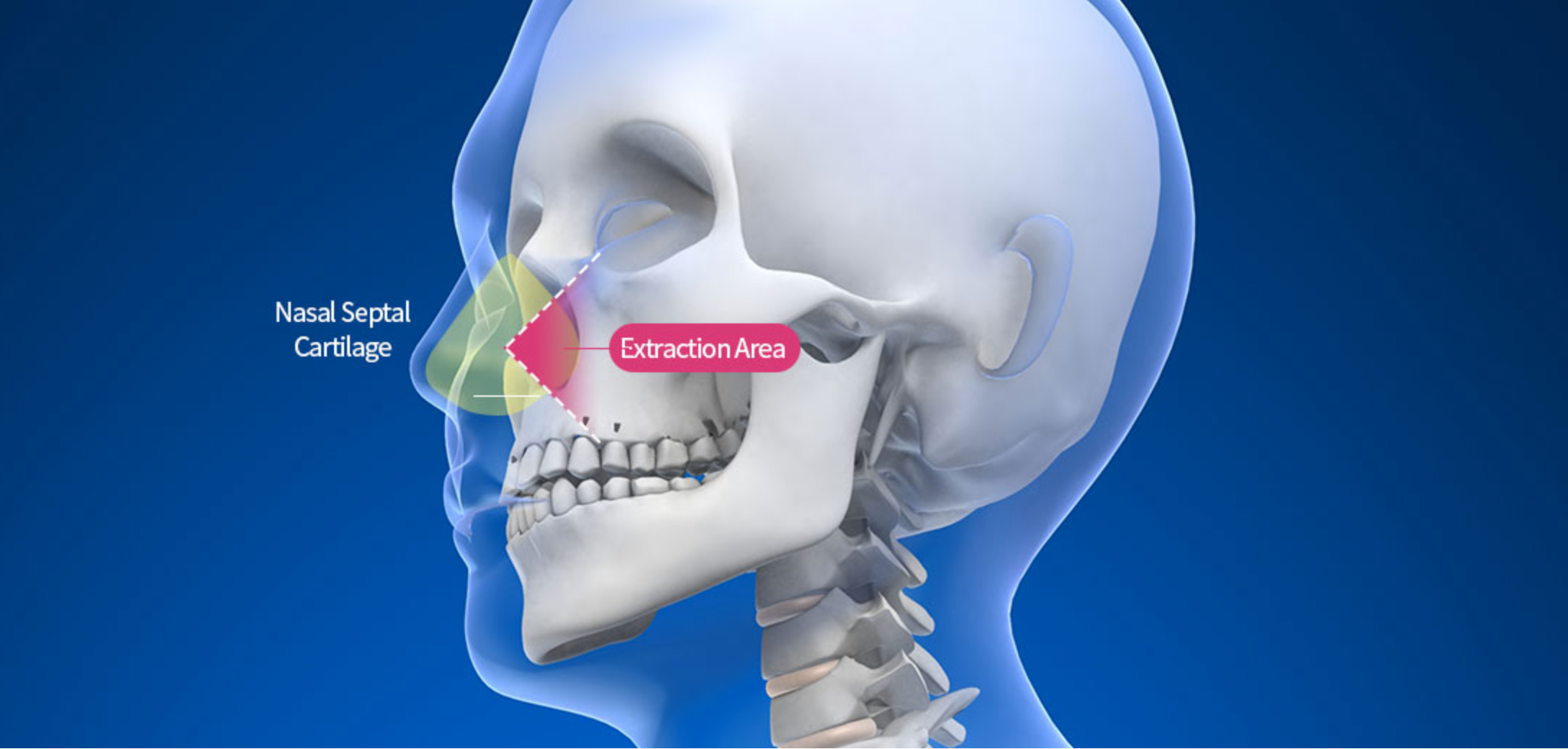
Sử dụng 2 kỹ thuật độc quyền của Bệnh viện thẩm mỹ JK Nhật Hàn
- Kỹ thuật độc quyền gia cố trụ vách ngăn Pyramid
- Kỹ thuật độc quyền tạo dáng J-Line thời thượng
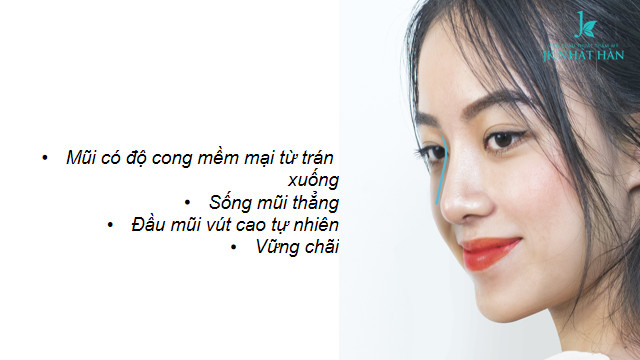
Nâng mũi J-KO độc quyền tại JK Nhật HànTạo ra một chiếc mũi có độ cong mềm mại từ trán xuống; sống mũi thẳng; đầu mũi vút cao tự nhiên, vững chãi.
Dáng mũi đẹp tự nhiên như bẩm sinh
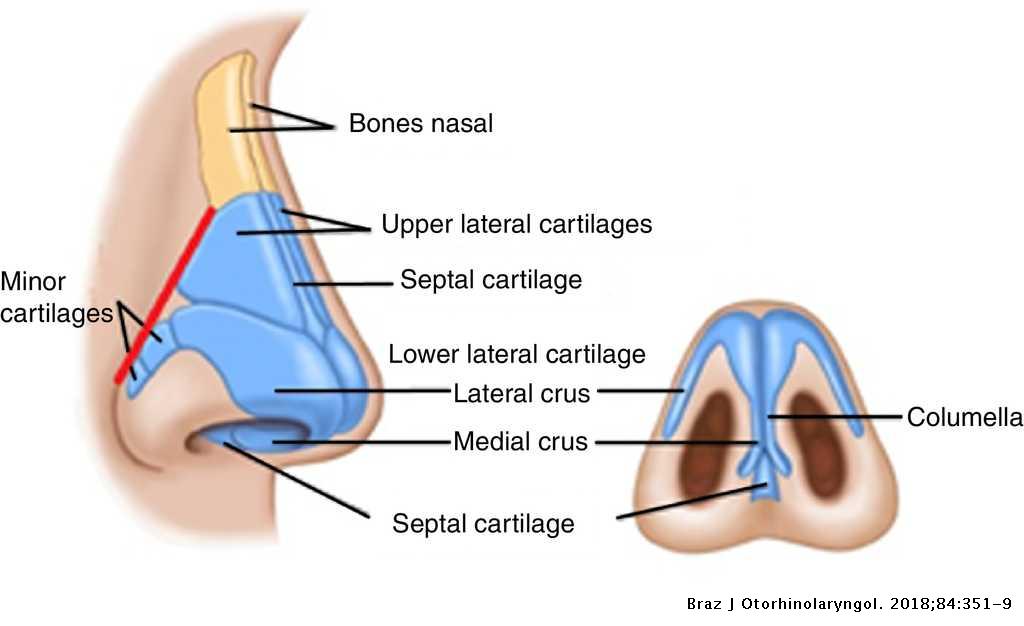
Trong quá trình nâng mũi, bác sĩ sẽ sử dụng sụn tự thân và sụn nhân tạo kết hợp. Sụn nhân tạo là chất liệu nhập khẩu từ Hàn Quốc siêu bền bỉ. Với nhiều kích thước và size dáng khác nhau, từ đó tạo nên độ cao cho sống mũi. Với kỹ thuật gia cố trụ vách ngăn Pyramid kết hợp sụn tự thân lấy từ vành tai (hoặc sụn sườn), để cho ra một chiếc mũi thanh tú nhất. Dáng mũi đảm bảo chuẩn J Line thời thượng.

Video: Ngọc Hân chia sẻ sau khi nâng mũi J-KO 3 tuần đẹp tự nhiên không ai nhận ra
Tìm hiểu thêm về kỹ thuật gia cố trụ vách ngăn Pyramid
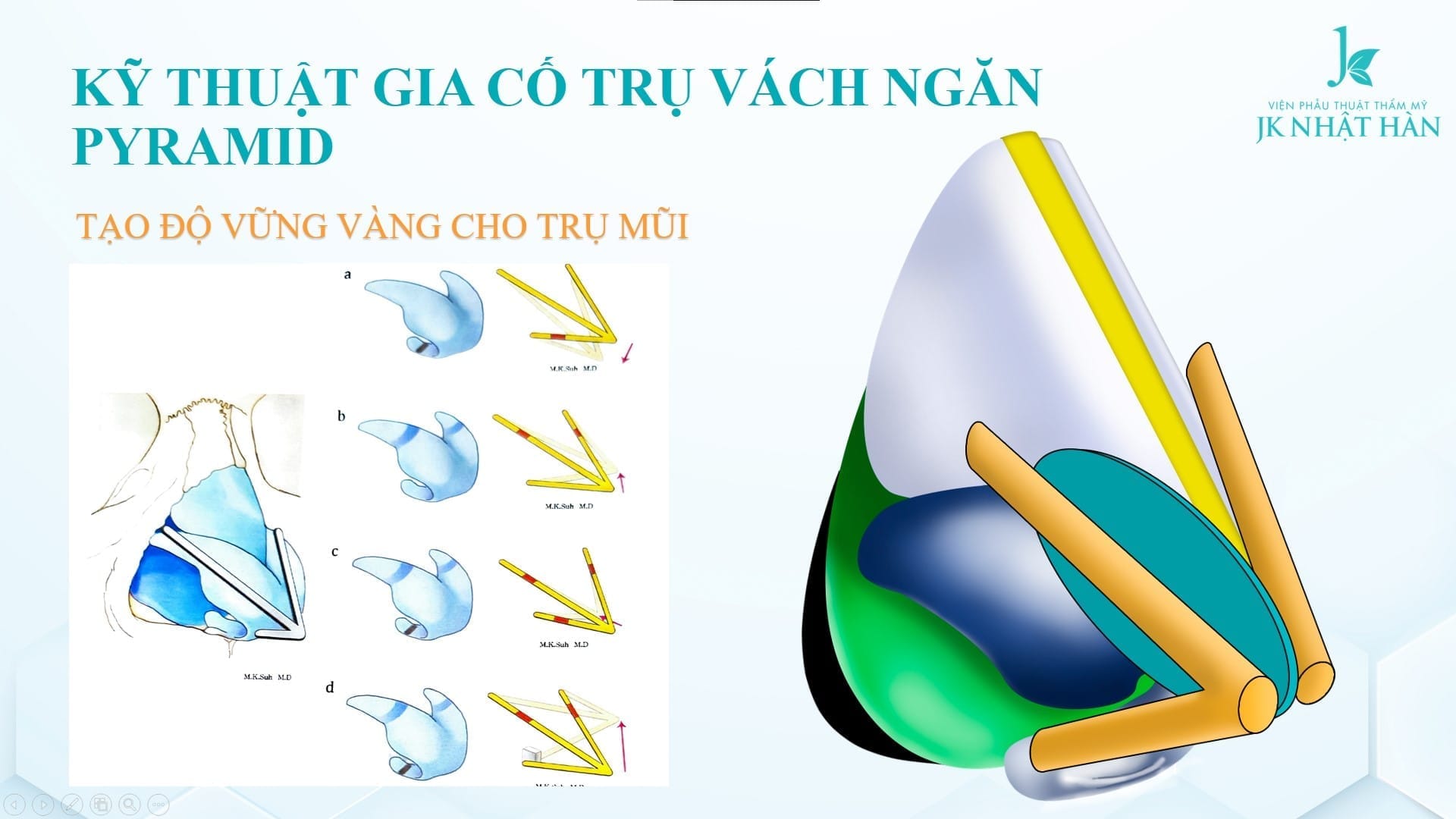
Tạo độ vững vàng cho trụ mũi
- Kết cấu hình tháp để neo phần trụ vững chãi
- Chống tình trạng xoay trụ gây mũi ngắn, hếch
- Chống tình trạng ngã sang 1 bên làm trụ mũi nghiêng vẹo
Sử dụng sụn tai kết hợp làm đầu mũi
- Sụn tai có vai trò kết nối các cấu trúc sụn cánh mũi gắn chặt vào trụ mũi mới tạo
- Sụn tai giúp nâng cao thêm đầu mũi
- Nếu da đầu mũi quá mỏng thì có thể kết hợp bọc thêm trung bì hoặc Megaderm
Nâng mũi J-KO tại Bệnh viện thẩm mỹ JK Nhật Hàn có gì đặc biệt?
Nâng mũi J-KO tại JK Nhật Hàn cam kết
- Chỉnh hình mọi khuyết điểm dáng mũi
- Chỉnh sửa mũi lệch vẹo
- Nâng mũi cao chuẩn tự nhiên
- Xoá ám ảnh mũi thấp tẹt, mũi gồ, mũi ngắn, mũi hếch
- Có thể đồng thời cải thiện các vấn đề về chức năng như lệch vách ngăn mũi
- Gia cố vách ngăn mũi bền vững, thách thức mọi va chạm
- Tái phẫu thuật và chỉnh sửa mũi hỏng an toàn và chuẩn xác
Theo ThS.BS.Lê Viết Trí, để làm được điều này, đội ngũ bác sĩ chuyên khoa thẩm mỹ mũi tại Bệnh viện thẩm mỹ JK Nhật Hàn ứng dụng hệ thống công nghệ hiện đại, phân tích các góc độ lập thể của chiếc mũi. Từ đó đưa ra định hướng phẫu thuật cải thiện phù hợp nhất cho từng trường hợp. Trong suốt quá trình phẫu thuật, còn ứng dụng máy nội soi chuyên dụng để phát huy tối đa tính chính xác trong suốt quá trình thẩm mỹ. Đảm bảo hồi sinh dáng mũi đẹp tự nhiên, nhanh chóng lành thương và hạn chế tối đa xâm lấn hay không gây đau đớn cho người thực hiện.
Quy trình nâng mũi J-KO tại JK Nhật Hàn
- Bước 1: Thăm khám, tư vấn trực tiếp với bác sĩ chuyên khoa thẩm mỹ mũi Bác sĩ sẽ kiểm tra tổng quát dáng mũi cũng như cấu trúc gương mặt của bạn. Từ đó xem xét các khuyết điểm, đưa ra hướng cải thiện phù hợp nhất cho dáng mũi. Bạn cũng có thể chia sẻ mong muốn của bản thân để bác sĩ được rõ nhất, từ đó có sự chỉnh sửa phù hợp.
- Bước 2: Thực hiện kiểm tra sức khoẻ tổng quát Điều này nhằm đảm bảo an toàn cho chính bạn. Sức khoẻ phải được đảm bảo, các phẫu thuật chỉ được tiến hành khi bạn thực sự khoẻ mạnh và đủ sức khoẻ. Nếu phát hiện bệnh lý, bác sĩ sẽ chỉ định ngưng phẫu thuật, và đề xuất cho bạn cải thiện bệnh lý trước khi làm đẹp.
- Bước 3: Thực hiện sát khẩu, gây tê (hoặc tiền mê nhẹ) trước khi thực hiện phẫu thuật. Gây tê hoặc gây mê là một phương pháp đảm bảo an toàn, với đội ngũ bác sĩ chuyên khoa giàu kinh nghiệm. Đảm bảo thẩm mỹ diễn ra nhanh chóng, nhẹ nhàng và an toàn nhất cho người thực hiện.
- Bước 4: Thực hiện phẫu thuật. Tại phòng mổ hiện đại, với hệ thống cơ sở vật chất vô trùng vô khuẩn. Bác sĩ sẽ tiến hành can thiệp vùng mũi, sử dụng chất liệu tự thân và vật liệu hỗ trợ để làm cao dáng mũi. Cùng với đó, khắc phục khuyết điểm, mũi thấp tẹt, mũi gồ, mũi hếch, mũi ngắn. Chỉnh sửa cấu trúc mũi hài hoà và cân đối nhất, đảm bảo mang đến chiếc mũi chuẩn J-KO đẹp bền vững.
- Bước 5: Hoàn thành phẫu thuật, nghỉ dưỡng.
- Bước 6: Tái khám theo lịch hẹn của bác sĩ
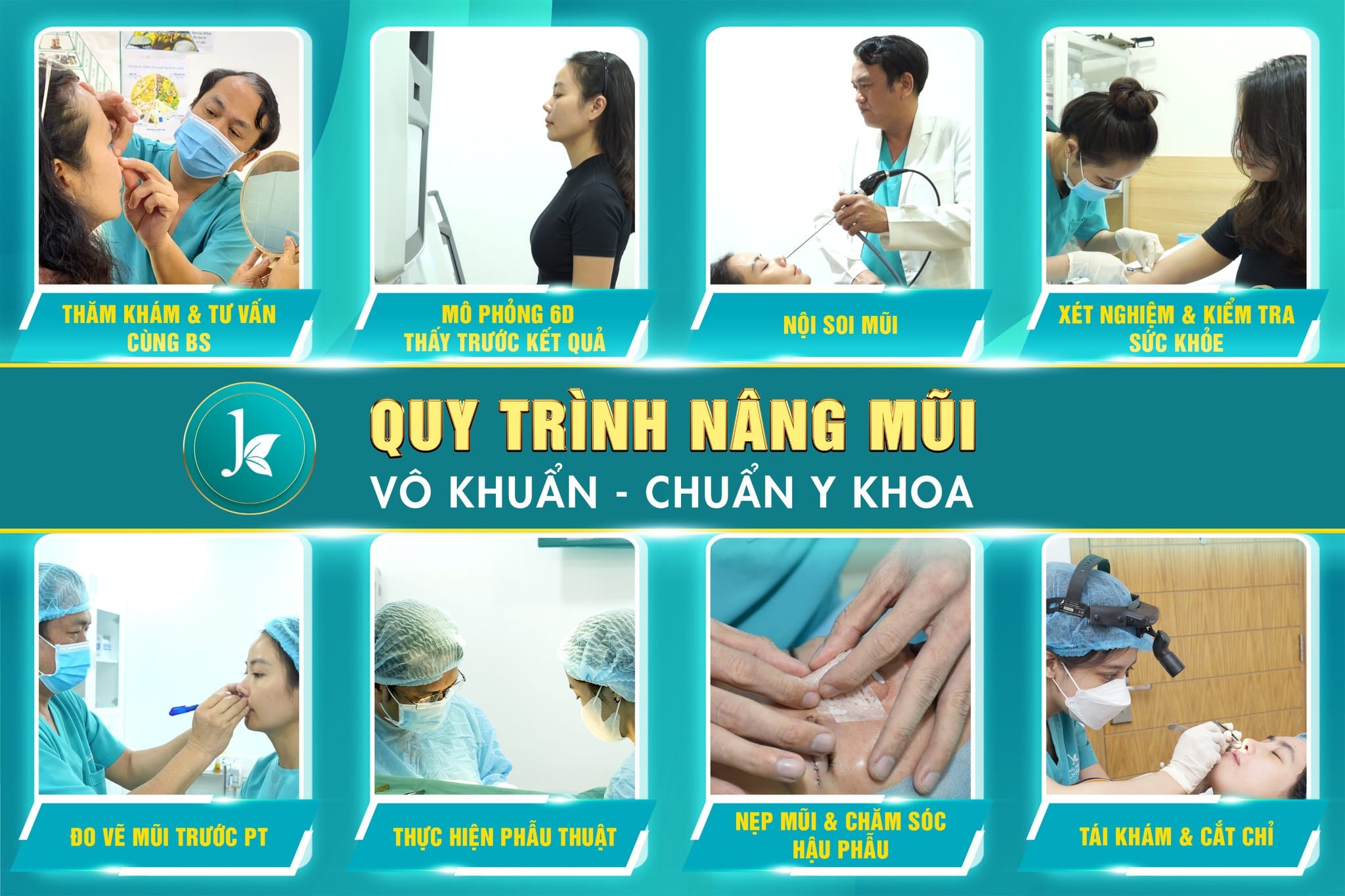
- Quy trình nâng mũi J-KO chuẩn y khoa
Sự khác biệt của khách hàng trước và sau khi nâng mũi J-KO


BỆNH VIỆN THẨM MỸ JK NHẬT HÀN
- Địa chỉ: 31 Nguyễn Đình Chiểu, Phường Sài Gòn, Thành phố Hồ Chí Minh
- Hotline: 094 1800 999 (Zalo/ viber/ facetime).
- Website: https://benhvienthammyjknhathan.com/
- Facebook: https://www.facebook.com/benhvienthammyJKnhathan
- Email: cskh@jknhathan.com
- Giấy phép hoạt động: 188/BYT-GPHĐ